Sunday, 29 September 2019

How successful was Disney's marketing strategy for The Jungle Book 2016?

How successful was Disney's marketing strategy for the Jungle Book 2016?
Since the release of Disney's Jungle Book in 2016, the film has made over $39 million. This amount having been made from not only the movie release but from previous marketing before the film launch.
Back in August 2015 Jon Favreau, the director of the film, held a fan convention to a limited amount of fans. During this, a sneak peek of the film was shown for the first time and 3 cast members made an appearance. From this event, thousands of movie posters were handed out and word-of-mouth marketing began. With this being the first form of marketing for the film, having selected huge Disney fans to be apart of the event, Disney successfully ensured that the movies initial blast on social media was going to be a good one.
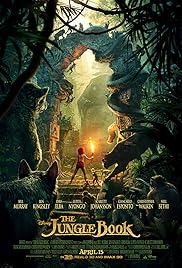
After the release of the first official movie poster and the teaser trailer in late November, Disney skillfully managed to attract a wide range of audiences. Disney packed the teaser trailer with a range of 'darker' and 'scarier' scenes which would appeal more so to older and male audiences. The trailer hiding the lighter and 'child-friendly' clips of Baloo and leaving out the musical element apart from a small snippet right at the end.
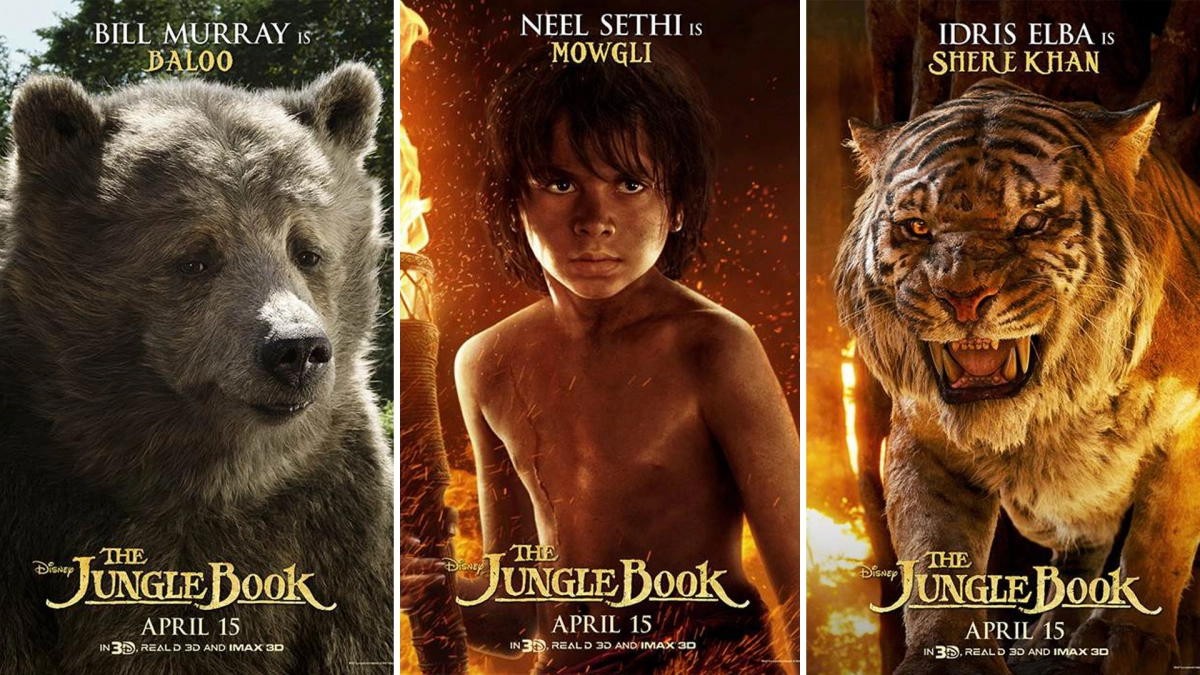
Image result for jungle book 2016 character postersBy featuring the stars name in both the trailers and the movie posters, Disney proceeded to attract audiences of all ages boosting their marketing. The big names such as Idris Elba, Ben Kingsley and Scarlett Johansson tempt a wider range of audiences to watch.
Disney introduced new websites that allowed fans to be included with the film and in some cases take part in virtual-reality experiences to prepare fans for scenes featured within the movie. Along with this, various Disney parks were offering new never before seen clips of the film which enticed audiences and got them ready for the film. The parks were also offering new Jungle Book merchandise which again attracted the younger viewers.
Overall the marketing strategy for the Jungle Book 2016, was highly successful as even from the early stages of marketing, it attracted a wide variety of fans right up until the release day. These fans being of all ages and of both genders, ensuring the high watch rate which made the costs of marketing worthwhile.

Friday, 27 September 2019

How Is Narrative Used?

Image result for the big issue paddingtonHow is narrative used in print?
There is a clear narrative presented within this edition of 'The Big Issue'. The anchorage text, which begins 'Migrant, British icon, One Of Us', portrays the disruption stage of Todorov's theory of Narratology. The disruption is the idea of the immigration crisis, specifically in London. Through the use of the image of Paddington, we see that the idea of immigration is traditional in England and adds a sort of comedic element to the cover as Paddington himself is an immigrant from Peru. This disruption is the main purpose of this edition of 'The Big Issue'. Alongside the anchorage text, there is the response of 'one of us', which is the biggest form of text on the cover, written in bold yellow caps. This offers what Todorov calls the recognition stage as the London population recognise that the immigrants are exactly the same as them. There is hope for a new equilibrium with the cover line of 'the new spirit of Christmas' the idea of 'new', suggesting that things will become more positive and accepted.

Distrubtion of Jungle Book 1967


Distribution-Jungle Book 1967
  • $4,000,000 budget of Jungle Book 1967
  • On opening weekend, the film made $5,000,000
  • To date, the Jungle Book has made $210,000,000
How has Disney made so much money from the jungle book 1967?
  • Re-released in the US in 1978,1984 and 1990
  • Re-released in the UK throughout the 1980s
  • DVD in 2007
  • Multiple re-releases on DVD and Blu-Ray
  • Merchandise
  • Original soundtracks on vinyl-first record from animated feature films to achieve gold status in the US
  • Digital downloads via iTunes, Amazon video, Google Play etc.
  • Disney also ‘vault’ their films i.e. stop them being able to be purchased
Distribution

Producers               Distribution           Audience
 
Invisible art- a process known only to those within the industry, barely written about and also imperceptible so everyone else.
Image result for big arrow double ended


Each distribution company takes on a certain number of titles each year an creates an individual release an individual release-plan for those films. Their responsibilities include:
·        Deciding on a release date
·        Deciding how many prints to produce and in which cinema to screen them
·        Advertising campaigns
·        Designing artwork for adverts, posters, flyers and billboards
·        Organising premieres and talker screenings
·        Booking talent (I.e. the stars or director) for Press interviews and personal appearances.
They do these things to release and sustain a film in the market place. This works best when the 3 stages (production, distribution, exhibition) are linked or controlled by the same company. The UK system has more focus on marketing and sustaining a film in the local market.
Independent studios struggle to get distribution-No formal connections between producers, distributions and exhibitors.
For collaborations, they need major companies on their side £££££££££££££$$$$$$$$$$$

Tuesday, 24 September 2019

Magazine Industry

Magazine Industry
The Sunday Times article summary:
The article says that over time magazines are recently becoming less popular.  'Marie Claire' is now absent from UK newsstands, this along with many other magazines. Reading rates were dramatically dropping and some magazines were 'struggling to stand out from the crowd', publishers are now trying to find new ways to attract new readers. The majority of younger readers were being taken away by social media. Social media became the biggest form of competition. Magazines would benefit more from limited releases.
The Big Issue
  • First published in 1991
  • Street Newspaper
  • Hybrid genre (entertainment and social business) 
  • Entertainment aspect attracts advertising revenue
  • Editorial content is often critical of big businesses, banking and champions the political cause and role of the individual within the society
  • Costs £2.50 - £1.25 goes to the trader

"ETHICAL CAPITALISM"-John Bird
Image result for the big issue
The words 'The Big Issue', on the masthead, could be referring to the overriding theme of homelessness within society or could be referring to the general subjects that particular issue will be mentioning. The masthead is stamp-like.    


This cover is an idea for an edition of 'The Big Issue' discussing ideas on climate change.

Theorist Study
2 parts of the course where theory is needed to be applied:

  1.    NEWSPAPERS
  2.     LFTVD (LONG FORM TV DRAMA)

Narratology
We can discuss the use of narrative in all media texts.
Tzvetan Todorov believes that every narrative has the same 5 stages to it, based around the main character
The five stages:
  1. The equilibrium- The main characters life is balanced and normal, there have been no disruptions to the main characters life...yet.
  2. The disruption- A problem disrupts, the main characters life has been disrupted shattering all equilibrium.
  3. The recognition- The main character realises that their situation has changed- not for the better.
  4. The repair-The main character now sets out to 'right the wrongs' and repair the situations, so that life can be as good as it was originally(equilibrium)
  5. The new equilibrium-The main characters have worked through the problems as a result, have gained back their equilibrium.  However- they have GROWN from their experiences.
Bride Wars narrative:
  1. The equilibrium-  2 main characters, Emma and Liv, get engaged and arrange to have their weddings at the same venue on different days. They get to planning their weddings as they planned since they were children. 
  2. The disruption- Due to error, the friend's weddings end up being on the same day, after it is made clear that neither will compromise, their weddings remain on the same day causing dispute.
  3. The recognition- After the attempted sabotages of each other's weddings, the 2 come to terms with the fact they won't attend each other's weddings and continue to plan their days.
  4. The repair- After one of the women calls of their wedding, the pair rekindle and enjoy the other wedding.
  5. The new equilibrium- 3 years later both friends are married and their friendship is as strong as it was, at the end both find they are pregnant and due on the same day.

Thursday, 19 September 2019

The Big Issue History

The Big Issue

The Big Issue magazine was launched in 1991 with the aim of transforming the lives of London’s homeless through its mantra ‘A hand up, not a hand out’. It was launched by John Bird and Gordon Roddick as a response to the increasing numbers of homeless people in London.
A reader of the Big Issue is likely to:
  • Be universally educated
  • Be interested in politics
  • Have a limited disposable income
  • Want to make a difference to the society we live in. 
The Big Issue supports the homeless and those seeking to escape poverty. Vendors buy the magazine with their own money and sell them at their own profit or loss. The Big Issue has helped almost 100,000 people since it began.

The Big Issue Foundation
The Big Issue Foundation was established in 1995 to link vendors with the vital support and services which help them. 


Since its creation the Big Issue Foundation has provided services and referrals to address issues around housing, health, finances, education, and employment helping Big Issue vendors to regain their independence and turn a livelihood into a life. In the last decade they have achieved over 40,000 positive outcomes with their vendors alone.
 Their work is primarily reliant upon donations from the general public. 

In 2015 over 2000 Vendor’s achieved record levels of personal outcomes, their impactful, cost-effective work included:

      •teaching transferable sales and customer service skills
       •enabling and advocating for decent accommodation, access to mainstream health care (something people who are homeless are often excluded from) and access to employment, training, education and volunteering


Contexts

The Big Issue Contexts
Context:
Social, cultural, historical. Economic, political.

Historical contexts:
The specific era or time period in which a product is made. How is the product influenced by that era?

Political contexts:
The government, policy and public affairs of a country; the way in which power is used or is achieved in a country or society. Is the product influenced by any political bias?

Economic contexts:
Ownership, income, production and distribution of media products, wealth, profit and development in technology. How have developments in technology influenced the production of news?

Social contexts:
Where people live together and interact with one another on a day-to-day basis; the social structures by which we live our daily lives such as religion, education, family, media communications, law and government. The impact of these structures has on our behaviour, values and thinking social issues and movements. Is a product influenced by consumerism and changes with our social structures?

Cultural contexts:
The attitudes, values, beliefs, practices, customs and shared behaviour of people, including all aspects of life; language, the products we make, the things we do and how we do them. It also includes cultural products such as art, music, literature and the media. How does globalisation influence the cultural identities found in the product?

Tuesday, 17 September 2019

Evolving Media


Evolving Media

Free market capitalism: an economic system in which the government has minimal control over the market, allowing companies to act in self- interest to determine the price of goods and services.

Production:
the creation of the media product and is the responsibility of the PRODUCTION COMPANY


Development-Preproduction-production-postproduction

Before this stage FINANCE must be arranged


British funding-BFI, lotteries, production companies, businesses

USA/Hollywood-conglomerates provide financial backing


The Jungle Book 1967 Research:

Scripting:

Disney thought the first version of the script was too dark for family audiences; Disney himself took control and changed the production team. Many of the original characters were cut out, creating a clear storyline. The drawings of the characters were based on the actors, their voices and their personalities. Disney wanted characters to carry the film and was creative in vocal casting. They tried to incorporate the personalities of the actors into the cartoon characters.

Visual effects:

 Backgrounds were hand-painted — with exception of the waterfall, mostly consisting of footage of the Angel Falls - and sometimes scenery was used in both foreground and bottom to create a notion of depth. Multi-plane creates 3D effects.

Sound/Music:

The songs were developed early on in the creation process. Some of the music featured was from old films, which decreases production costs.

Animation Process:

Collaboration process on the animation of the characters.


Explain the production process of Disney’s Jungle Book (1967)

Image result for disney jungle book 1967 productionAfter the Sword in the Stone was released, story man Bill Peet claimed to Walt Disney that "we can do more interesting animal characters" and suggested that Rudyard Kipling's The Jungle Book could be used for the studio's next film. Disney decided that the first version of the script was too dark and therefore took control and changed the production team. Walt wanted a light, fun and entertaining movie with ‘happy songs’. The Jungle Book drawings were based upon the actors, their voices and their personalities. Disney had the songs developing early on in the creation process, with the majority of the songs being written by the Sherman Brothers. Some characters were cut out during the production process to create a clearer storyline. The actual making of the animated characters was a collaboration process. The visual effects in the movie were all hand-painted backgrounds, with the exception of the waterfall which mostly consisted of footage of the Angel Falls. The songs featured in the jungle book were developed in the early in the creation process, some of the music featured was from former films which helped to decrease production costs.

Monday, 16 September 2019

Camera Angles and Shots

Camera Angles and Shots
Close up shots(CU):
Usually, head and shoulders. Can be used to emphasises how important a camera or object is. It allows the audience to build a relationship with the character.


This close-up shot allows the audience to see the emotion on Cinderellas face and be able to see the other characters within the shot.

Extreme Close Upshots(ECU):
Usually, focus on one part of the face(often eyes or mouth). Used to convey emotion to the audience. Often used at key points in the story.


This extreme close up shot adds a comedic element to the trailer as it is not a typical shot an audience would expect.

Medium shots(MS):
Shows body from waist up. Shows some background and whole body language. Focus on character-  it lets the audience see what they are doing BUT also how they are feeling.


This medium shot shows the stepmother's body language and facial expressions and from that, the audience can interpret that she is in a state of power.

Long shots(LS):
Full body is shown. Used to show location or relationships of products. Often used as a first shot at the start of a particular sequence.

This long shot not only shows the location of the shot but also shows the close relationship between the two characters by capturing their close proximity.

High angle shots:
The camera is positioned above person or place. It can make a person look vulnerable. Designed to make the audience side with the character in the shot.

This high shot above Cinderella and the Prince allows the audience to see all of the shot and view the importance of the whole of the situation.

Low angle shots:
The camera is positioned below the person or place. It can make a person look powerful or important

This low shot positioned below the door shows the significance of it being locked as Cinderella is now trapped inside of it.

Point of view(PoV):
The camera becomes the character and shows us exactly what they are seeing, as they would see it.

This PoV shot allows the audience to be involved in the conversation happening as it is almost like they have become Cinderella themselves.
Eye Level:
A neutral camera angle. Represents a real person standing up, watching the scene.

This eye-level shot allows the audience to connect more with the trailer as it is like they are there being spoken to themselves.


Sunday, 15 September 2019

The Jungle Book


 How does the promotional material for the Jungle Book 1967 and 2016 reflect an evolving industry?

There are many factors which reflect evolving media through the use of promotional material between the two Jungle Book movies.


Image result for jungle book movie poster 1967The 1967 Jungle Book was shown in countries such as the USA, UK, Germany and Sweden. The film was most popular in the USA where the film was made. With the film being shown in cinemas only during the first release, the short duration of 78 minutes might not have been shocking firstly, because of cinema running times and secondly, because of production costs. 
The lack of TV’S meant there was no point in DVDs or VHS which limited promotional material as the movie could only be viewed in cinemas. The Jungle Book was released in the United States on VHS in 1991 and in the United Kingdom in 1993, the film was later released on Blu-ray and DVD in 1999. The releases of VHS' and DVDs the promotional material was heightened. 
Due to the lack of technology at the time, the only forms of marketing for the 1967 Jungle Book was movie posters and cinema signs. This limited amount of initial marketing may have initially hindered the promotional material, however after more cinephiles watched the movie, the word of the movie spread and more people viewed and heard about it.

Image result for the jungle book 2016 movie posterThe 2016 remake of The Jungle Book highlighted the evolving media. Through the new social media platforms that had been released since the 1967 version, word about the movie had begun to spread, even before the film was released. With TVs also being a common household appliance, DVDs would've been brought on release, August 16, and been boosted promotional material immediately.
Youtube allowed trailers and movie snippets to be released which attracted viewers through the sense of nostalgia. These new social media platforms such as Twitter, Youtube, Facebook and more allowed the promotional material for the film to be extremely high even before the film was released. These social media posts also enabled word-of-mouth marketing, similarly to the 1967 movie.
 Because of the advances in media technology, the film was able to use CGI and special effects which automatically draws the viewers in.
The dramatic change in the number of promotional material between the two movies is a clear indication of the evolving media.

Thursday, 12 September 2019

Iconography

Iconography
Within certain genres, we expect to see certain things and objects that represent them.  
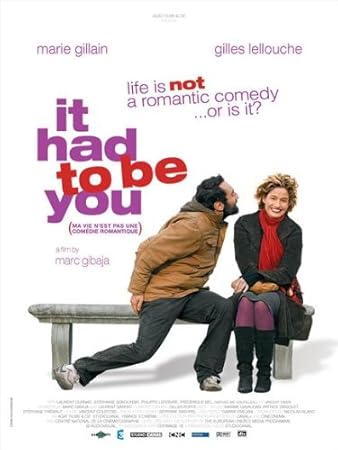
In the romantic comedy genre, there is a variety of things that are expected to be seen on the posters. Seen on most rom-com posters, there is a light colour scheme that has been used. Typically, this scheme consists of a selection of different reds, pinks blues and white. The backgrounds of rom-com posters are very minimalistic with 1 block colour, usually being white or another colour of a very light shade. Also featured on the poster of the movie is the title which is commonly presented in block writing, fitting in with the colour scheme of pinks, reds and blues. On all rom-com posters, there is a man and a woman, the main characters, who are normally stood back to back or side to side. The outfits they are seen in is mostly casual with the use of some formal, more glamorous outfit choices occasionally. 

Image result for romantic comedy movie posters               Image result for romantic comedy movie posters                 Image result for romantic comedy movie posters

Tuesday, 10 September 2019

How are the elements of mise-en-scene used to create meaning of the Variety front cover?


How are the elements of mise-en-scene used to create meaning of the Variety front cover?
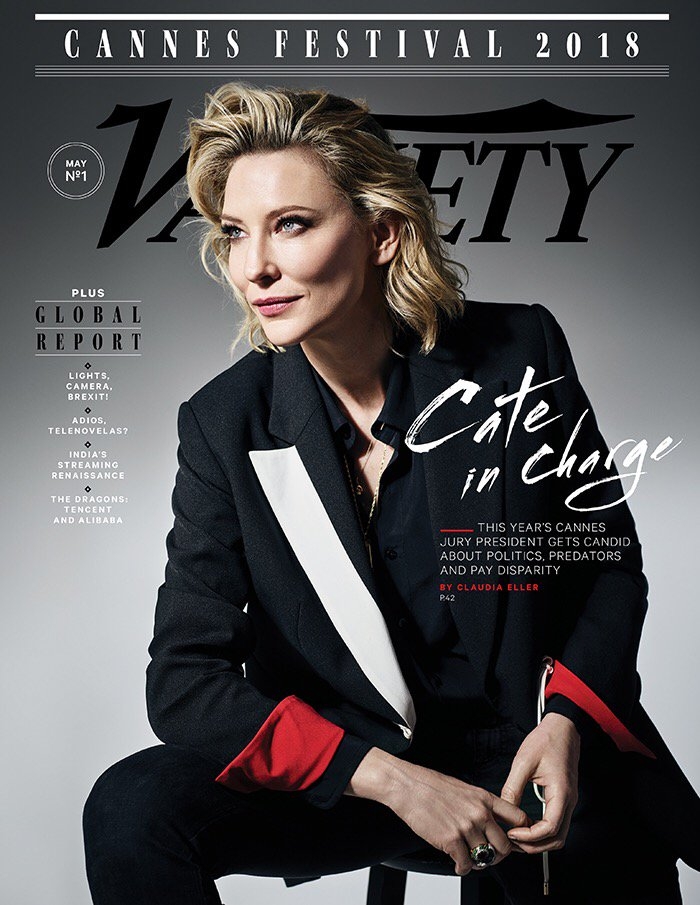
Related image
The elements of mise-en-scene are used to show the representation of gender on the Variety front cover. By using a darker colour palette throughout the cover, the traditional ‘feminine’ colour palette is replaced with the use of colours such as red white and black. Sticking to the dark colours, the costume used in the cover is a black suit with small sections of both white and red. By using the suit, the costume moves away from the feminine aspect of things and is replaced with a more masculine one, the choice of ring is also significant as it is a big, heavy ring compared to a light, delicate one. The choice of the suit jackets also shows contrast with traditional women’s outfits, as we would expect to see a glamorous dress on a female model. The use of make-up on Cate is very minimalistic, with her hair swept back out of her face portraying a high power status and again reflecting the masculinity of the whole cover. The use of the studio setting allows the audience to focus on Cate alone as there is nothing else to focus on. The use of the slightly low shot shows Cate in a position of power compared to the audience as she is seen ‘higher up’ than them, her gaze being away from the camera suggests that she is focused. The use of the high intensity of lighting on her face highlights that her beauty is still shown through all the masculinity presented within.  The elements of mise-en-scene show that despite the main aspects of the cover being masculine, there is still feminine beauty shown despite this.

Sunday, 8 September 2019

Media Language

Media Language
Media language is the way in which a text is constructed to create meaning for a reader or viewer of a text. All media texts are constructed, someone has made decisions about how they should be constructed with a clear audience in mind.

         Key Areas of Media Language:

  • Mise-en-scene(the setting, props,costume,make-up, lighting)
  • Sound
  • Editing
  • Camera angles and shots
  • Use of colour
  • Text
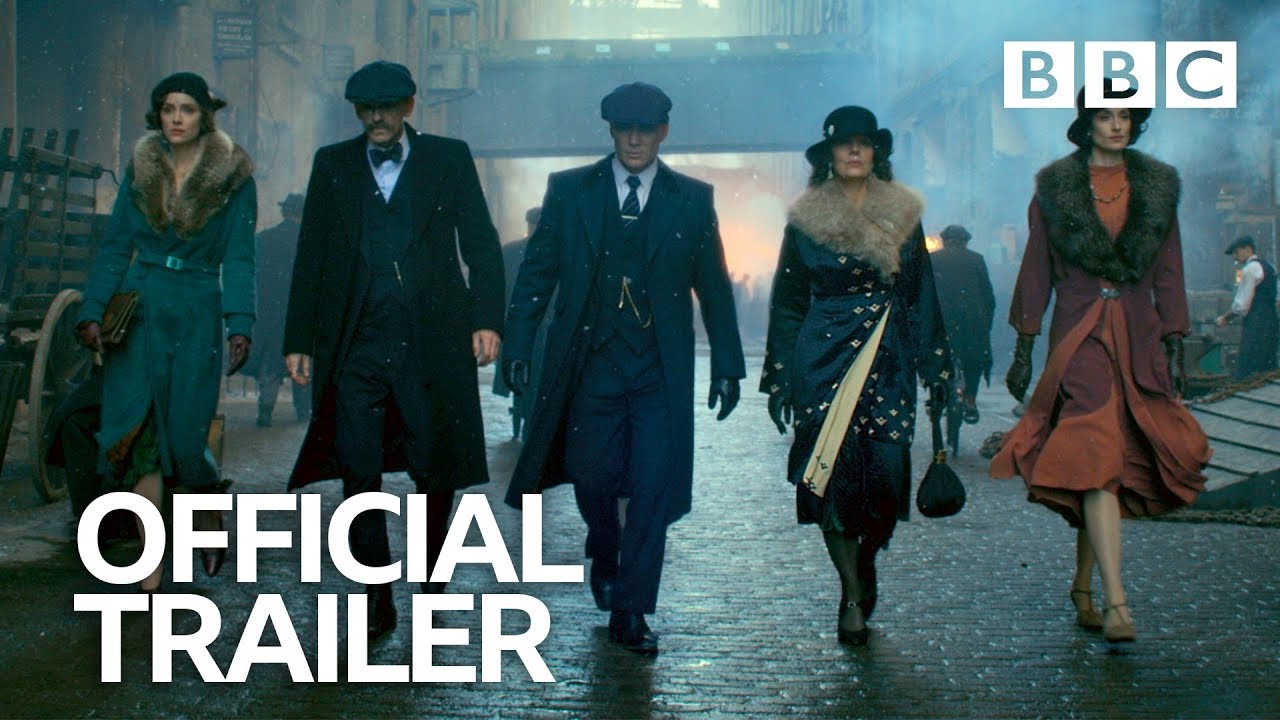
Image result for peaky blinders season 5 trailer


Peaky Blinders Season 5 Trailer
There are many media techniques used within the Peaky Blinders season 5 trailer. The trailer begins with a rural first scene which then fades out into a series of short clips of the characters, the featured clips are in a variety of settings, all related through the use of low lighting throughout. One of the most striking settings is that of London's 'Big Ben' which shows a difference to any previous setting shown throughout the show. The use of low lighting reflects the dingy, sinister and dangerous atmosphere of the show. These short clips include both high camera shots, which can represent a lower power status in a character as the camera is looking down which could convey weakness in a character. In contrast, a low camera shot could show that the character is more superior, or has a higher status. The editing of the trailer enables both the content and the music to be related as they are both at a slow pace. The use of panoramic shots within, allows the audience to catch up and familiarise themselves with the situations the characters were last presented in. The use of costume within the trailer is formal yet glamorous, and reflective of the period the show is set, in relation to the low light, all the costumes seen are also in dark, dull colours. There is no text featured at all apart from the BBC logo which is seen at the bottom of the screen through the whole duration of the trailer.


Thursday, 5 September 2019

The History of Media

The History of Media
The earliest form media in the 'Prehistoric Age' was through cave paintings, symbols were also used as written language. Moving through to the 'Industrial Age', the making of the printing press began the mass production of media. Through the printing press newspapers, leaflets and advertsing were made. Also during this age are the earliest recorded photos. Going into the 'Electronic Age', new forms of media develop allowing people to now communicate long distance. New forms of media such as the telegraph, radio and tv allowed this to happen. Going into the late 20th century, the
Image result for printing press 'Digital Age', new technology developed another mass media production. With new forms of media such as the internet, email and social media allowed communication to happen on the new forms of technology like phones and computers.


How does the Radio One Breakfast Show reach its audience?

How does the Radio One Breakfast Show reach its audience? The BBC reaches its audience by sticking to its 3 main aims of educating, ente...